An everyday field guide
Keep dogs comfortable through changing weather
The same walk can feel different by hour and by surface. A warm day calls for water, shade, and cooler timing. A freezing day calls for attention to salt, grit, and ice. These choices rely on conditions and the individual dog, not an appearance label.
This guide cannot assess heat illness or a paw injury. Sources are linked beside each claim.
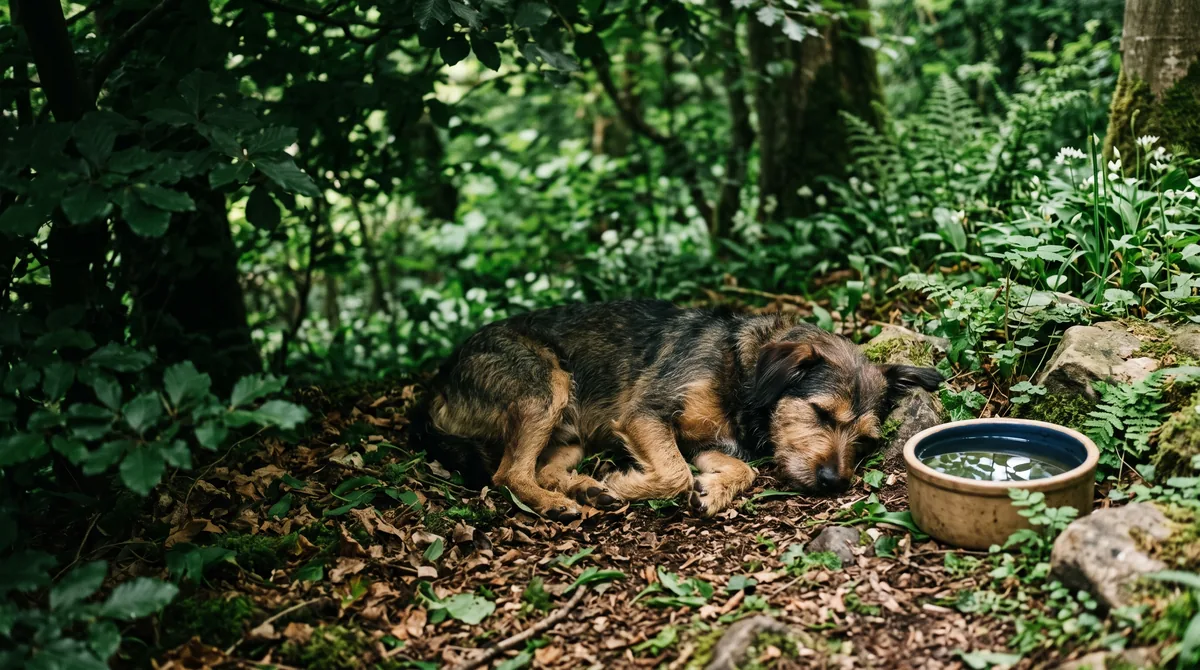
On warm days, change the plan early
Provide fresh water and shade, choose cooler hours for activity, and avoid hot asphalt that can burn paws. Never leave a dog in a car, even for a short errand. These are central recommendations in the American Veterinary Medical Association's warm-weather safety guidance. Check the actual route and surface before setting off; air temperature alone does not describe how a pavement feels. Short-nosed and overweight dogs can be at greater risk in warm-weather exercise, but a photo cannot assess an individual dog's risk. Ask your veterinarian if you are unsure what activity suits your dog.
There is no single safe temperature for every dog and setting. Humidity, exertion, age, body condition, and health all matter. A shorter outing or indoor activity may be the comfortable choice. Plan a route with a way home and keep an eye on how the dog is coping.
Figure 1 · Before a warm-weather walk
Four things to check before you set off
Know when routine advice ends
Excessive panting, drooling, unsteadiness, abnormal gum or tongue color, or collapse can be signs of heat stress. AVMA advises emergency veterinary care for these signs. If you see them, seek emergency veterinary help promptly. This guide and the Dog Says Hi photo tool cannot assess or triage heat illness.
Figure 2 · Emergency boundary
Signs that mean emergency care
- Excessive panting or drooling
- Unsteadiness
- Abnormal gum or tongue color
- Collapse
If you see these signs, seek emergency veterinary care promptly.
In winter, check paws after the walk
Road salt and grit can irritate paw pads. After a winter walk, check between the toes and gently wipe or rinse away salt and grit. Watch for ice and frozen-water hazards along the route. PDSA's winter care and de-icer advice give the underlying precautions. If a paw is painful or injured, ask a veterinarian for advice rather than relying on a picture.
Figure 3 · Seasonal paw check
Two seasons, one paw check
Warm days
Check the surface before the walk. Hot pavement can burn paws.
Winter
After the walk, check between the toes and gently wipe away salt and grit.
A useful handoff: Before a walk, check timing, water, shade, and surface; after a winter walk, check the paws. Keep the plan flexible for the dog you have today.
For another everyday topic, explore coat texture and grooming. A coat photo cannot tell you whether a dog is safe in a particular temperature.
Related reading
Coat care changes with the seasons, and comfort signals matter year-round.
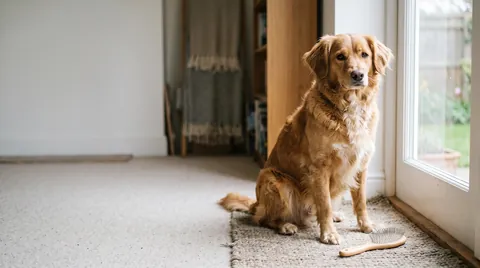 Understand coat texture and routine groomingLength, texture, loose hair, and comfort with brushing.
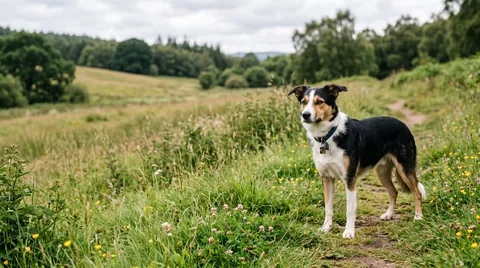 Read dog body language in contextNotice the whole dog before drawing a conclusion.