An everyday field guide
Everyday comfort for a senior dog
A greying muzzle, a slower first stretch, a walk that ends sooner than it used to — ageing arrives in small adjustments, not one day. This guide is about the practical part: keeping an older dog comfortable at home and gently busy, and knowing which changes are ordinary slowing and which deserve the vet.
Mobility changes, shifts in weight, appetite or drinking are vet questions — this guide covers comfort, not diagnosis.
Published October 1, 2026 · Last updated October 1, 2026
When does a dog count as 'senior'?
There is no single birthday that flips the switch. The AKC's senior-dog explainer (opens in a new tab) makes the point plainly: dogs age at different rates, and size is the biggest factor — small dogs tend to live longer and arrive at "senior" later than giant breeds do. The same article lists the visible arc owners usually notice first: greying around the muzzle and face, slower movement and lower energy, changes in weight, and senses — sight and hearing — that dim gradually.
So "senior" is less an age than a pattern of small changes arriving together. Recognising the pattern matters because it changes what good care looks like: the routine stays, but the pace, the surfaces and the margin for recovery all adjust.
Little-and-often: adjusting movement
Senior dogs still need exercise — the change is the dose, not the fact. PDSA's senior-exercise guidance (opens in a new tab) recommends regular, gentle exercise in smaller sessions — shorter, flatter, more frequent walks — rather than one long outing, with the dog's pace setting the day. Regular movement helps joints stay mobile and keeps weight in check, which matters more as muscle mass thins.
The practical shape: two or three shorter walks over one long one; flatter routes over hills; warm-up minutes at the start; and sniffing time counted as exercise — a slow walk where the dog reads the world is doing work, not wasting it. Weather shifts matter more to an older dog too — cold stiffens, heat taxes — and the weather guide covers seasonal adjustments, including the paw and coat checks that matter more when recovery is slower. Nails deserve a regular look as well: less activity means less natural wear, and the nail and paw routine keeps them from quietly overgrowing.
Comfort at home: floors, beds, stairs
The home adjustments are the boring ones that compound: footing, rest, and fewer jumps. AKC's home-accessibility advice for senior dogs (opens in a new tab) names the main ones: non-slip rugs or mats on the floors a dog crosses daily — a dog whose muscles are thinning can't catch a slide the way they used to — and pet stairs or a ramp where the routine crosses a height they now have to think about: the car, the sofa they still believe is theirs, the front step.
Figure 1 · Small changes that compound
Comfort adjustments around the house
Keeping the mind busy gently
A senior dog's work moves indoors and shrinks in scale — not in value. PDSA's senior-exercise guidance points indoors too: scent games, sniffing, food puzzles and indoor games count alongside the walk, and the AKC's senior explainer adds short, gentle training games for keeping an older mind engaged. The walk itself can shift from distance to interest — a "sniffari" pace where the dog reads every blade is enrichment, not delay.
The point is steadiness: little, regular, easy to succeed at. Training a senior isn't about learning new tricks for their own sake — short familiar cues keep the dog engaged and confident, and the routine of small success is itself a comfort.
What change is 'just age' and what is not
This is the section that matters most. Ordinary ageing is gradual: a greyer muzzle, slower mornings, longer naps, less enthusiasm for stairs. The AKC's senior explainer lists those visible shifts as the familiar picture — and the reason to know the picture is to notice what doesn't fit it.
Figure 2 · Not 'just age'
Changes that are vet questions
- A clear change in mobility — struggling to rise, stiffness that worsens, limping
- Weight change up or down, or appetite that shifts and stays shifted
- Drinking noticeably more or less than usual
- Confusion, new anxiety, or a dog who seems lost in familiar places
"Just old" is a description, not a diagnosis. Any of these — or any change you can't explain — is worth a vet visit, because comfort problems have treatable causes.
The trap is writing off something fixable as ageing — stiffness that could be managed, a drinking change that could be a condition. When a change arrives quickly rather than gradually, or when several small changes arrive together, the vet comes before the home adjustments.
Working with your vet as needs shift
Senior care works best as an ongoing conversation, not a crisis appointment. PDSA's diet guidance notes that food made for senior dogs exists and that monitoring how much an older dog eats and drinks matters — a change in either is a reason to call the vet. The same goes for the rest: bring the small observations — the slower stairs, the changed appetite, the afternoon naps — because the pattern over weeks is the information a vet can actually use.
None of this guide is about diagnosing arthritis or any other condition — a photo can't do that, and neither can a paragraph. What everyday care can do is keep the comfortable parts comfortable and keep the record honest, so the vet conversation starts from observation rather than worry.
A useful handoff: Keep the routine, shrink the effort, soften the surfaces — and let the vet, not the word "senior", explain the changes that don't fit.
Sources
- Exercising your senior dog (opens in a new tab) — PDSA: little-and-often exercise, shorter familiar routes, and sniffing, puzzles and indoor games.
- How do you know when your dog is a senior? (opens in a new tab) — American Kennel Club: why "senior" isn't one age, and the visible changes that arrive together.
- Making your home accessible for a senior dog (opens in a new tab) — American Kennel Club: non-slip flooring, pet stairs and ramps, supportive bedding and gates.
- Your dog's diet (opens in a new tab) — PDSA: feeding an older dog, and monitoring eating and drinking changes with a vet.
Sources last checked 2026-10-01.
Noticing small changes across months of photos? Comparing Dog Says Hi photo observations over time can help you describe what you're seeing — the photo is sent only after you explicitly submit it, and the AI-generated reading is provisional and can be wrong or incomplete; its care ideas are general starting points. For any change in mobility, weight, appetite or drinking, contact a veterinarian.
Related reading
Senior comfort sits between the exercise routine and the weather each season brings.
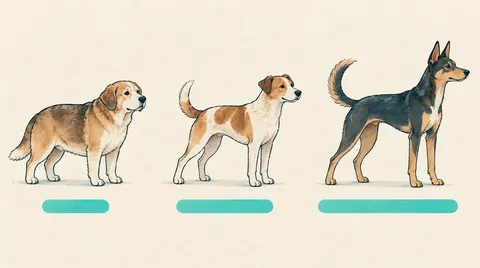 How much exercise does a dog need?Reading energy, age and build — the routine senior exercise adjusts.
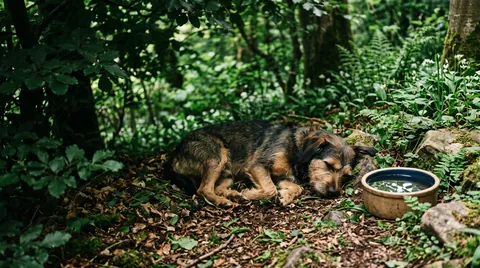 Keep dogs comfortable through changing weatherCold and heat matter more to an older dog.
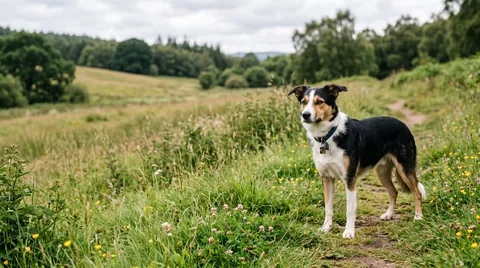 Read dog body language in contextComfort and stress signals in an older dog's posture.
Spotted an error? Tell us.