Everyday field guides
Guides for the dog in front of you
Good dog care starts with noticing: the way a coat feels, how a dog moves through an interaction, and what the weather asks of both of you. These guides turn everyday observations into small, useful choices. They are written from veterinary and animal-welfare sources, with the limits made clear.
Every guide links its sources next to the claims they support.
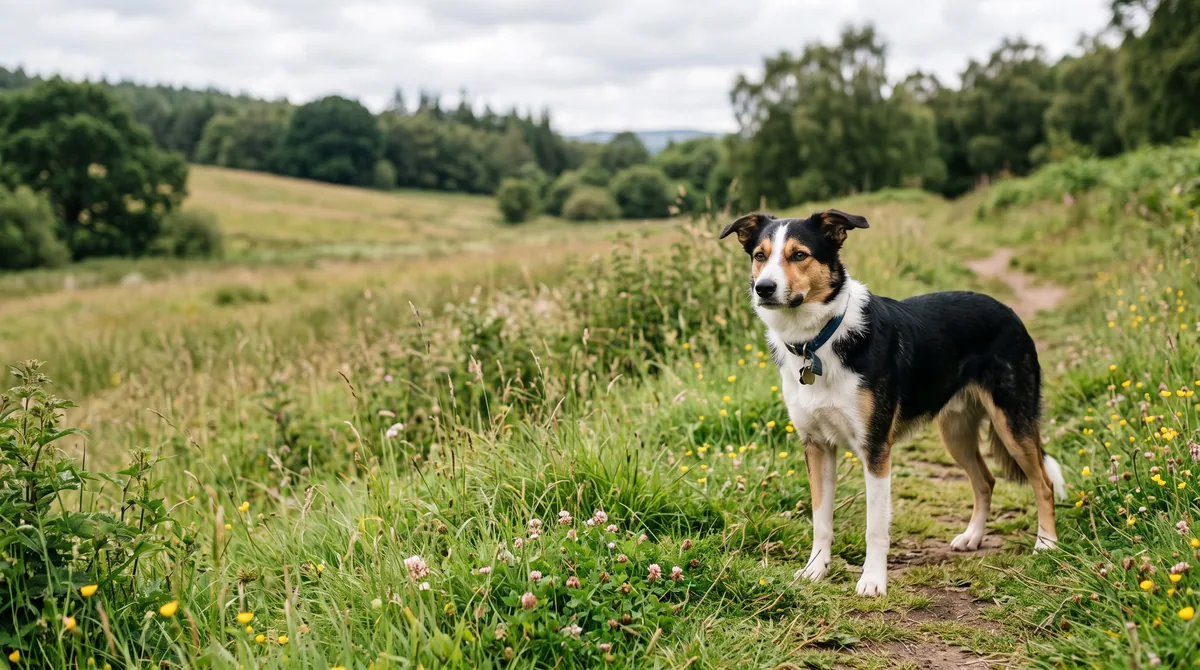
Five practical guides, in a useful order — from taking an honest photo to letting two dogs meet at their own pace.
-
 Photography
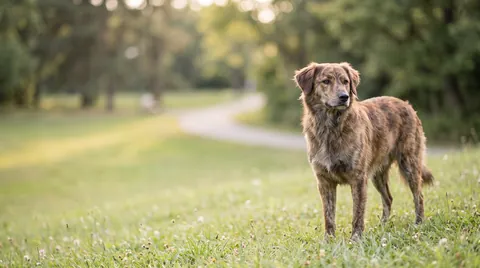
Start with a photo
Take a dog photo that shows visible traits. Make a short, comfortable photo session and choose an image that clearly shows what is actually visible. A picture can start a conversation about appearance; it cannot establish ancestry.
Read the photo guide→
Photography
Start with a photo
Take a dog photo that shows visible traits. Make a short, comfortable photo session and choose an image that clearly shows what is actually visible. A picture can start a conversation about appearance; it cannot establish ancestry.
Read the photo guide→
-
 Grooming
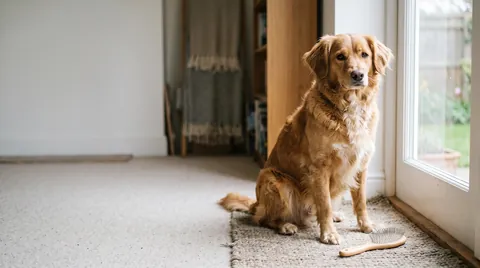
Care for the coat you can feel
Understand coat texture and routine grooming. Look beyond a breed guess to length, texture, loose hair, and the dog's comfort with brushing.
Read the coat guide→
Grooming
Care for the coat you can feel
Understand coat texture and routine grooming. Look beyond a breed guess to length, texture, loose hair, and the dog's comfort with brushing.
Read the coat guide→
-
 Communication
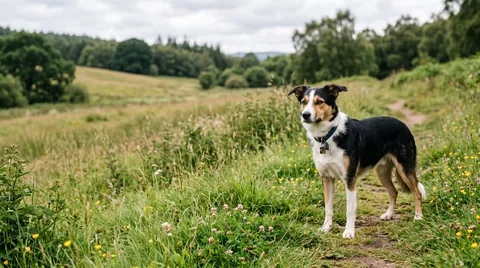
Make room for communication
Read dog body language in context. Notice the whole dog and what is happening around them before drawing a conclusion from one cue.
Read the body language guide→
Communication
Make room for communication
Read dog body language in context. Notice the whole dog and what is happening around them before drawing a conclusion from one cue.
Read the body language guide→
-
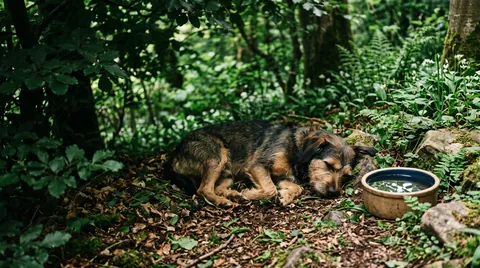 Seasons
Adapt to the season
Keep dogs comfortable in warm weather and care for winter paws. Plan for water, shade, cooler walks, hot surfaces, and winter salt.
Read the weather guide→
Seasons
Adapt to the season
Keep dogs comfortable in warm weather and care for winter paws. Plan for water, shade, cooler walks, hot surfaces, and winter salt.
Read the weather guide→
-
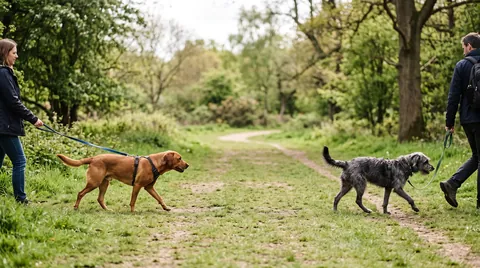 New dogs
Let introductions take time
Introduce dogs at their pace. Begin with space, watch both dogs, and let a calm greeting be enough.
Read the introductions guide→
New dogs
Let introductions take time
Introduce dogs at their pace. Begin with space, watch both dogs, and let a calm greeting be enough.
Read the introductions guide→
Already have a picture? The short photo and coat primer is another place to begin.
If a dog seems unwell, injured, or suddenly changes behavior, speak to a veterinarian. A photo cannot determine health, emotion, temperament, or a dog's genetic make-up.