A combined primer
How to photograph a dog and read its coat
A useful photo shows what is there: the outline of the dog, the coat’s texture, and the way the dog is standing. Those details can guide a grooming routine. They cannot prove a breed or explain a health concern.
This primer keeps its original address; the five newer guides go deeper on each topic.
Make the photo easy to read
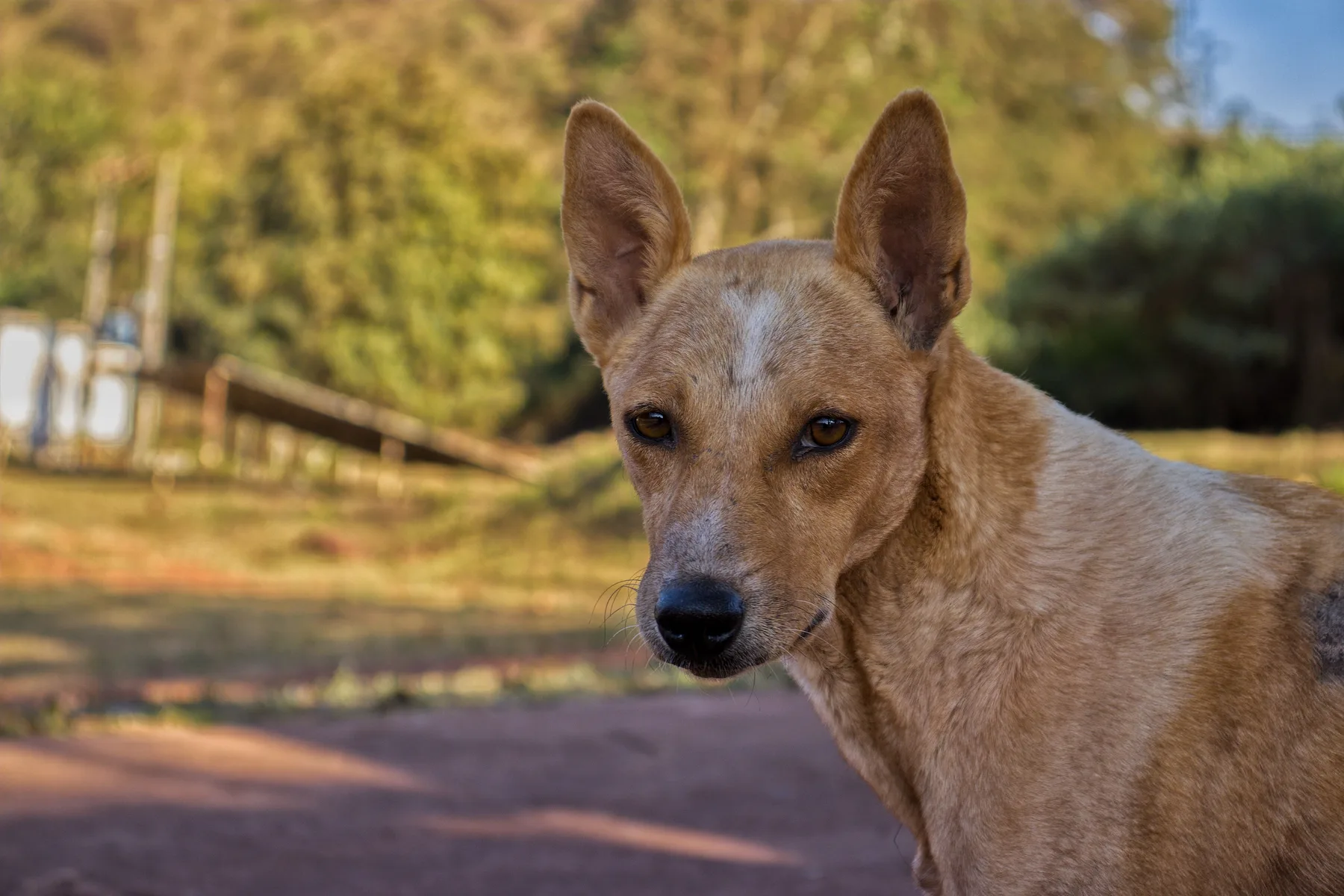
Choose a calm moment when the dog is comfortable. In even daylight, step back far enough to include the whole dog and keep the camera around the dog’s level. A side view makes body outline and leg length easier to see; a second, closer view can show coat texture and markings.
Keep the lens steady and let the dog stand naturally. You do not need to pose, hold, or turn them for the camera. If the dog is moving, a short pause is often more useful than a burst of blurry pictures. Avoid strong backlight, busy backgrounds, and filters that change coat color.
For your own notes, describe what is visible: short or long hair, straight or curly texture, markings, and general build. A single image may hide an undercoat, grooming history, age-related coat changes, or the dog’s true proportions. Treat any breed resemblance as a possibility, especially when a dog may have mixed ancestry. The longer guide to taking a dog photo that shows visible traits covers sessions, light, and honest limits in more depth.
Look first, label later. Photos record one angle in one moment. Use them to notice visible features, not to certify breed or make decisions about health.
Let the coat set the grooming starting point
A photo can help you describe coat length and texture, but it may not reveal whether a dog has a dense undercoat. Start with gentle, brief brushing and a tool suited to the coat. The American Kennel Club’s guide to choosing a dog brush explains why brush type and touch matter.
Keep sessions short enough that the dog stays relaxed, and stop if brushing becomes uncomfortable. Do not cut close to the skin to remove a tight mat; ask a groomer or veterinarian for help. For dogs with a double coat, read the AKC’s specific advice on double-coated dog care and grooming before making trimming or shaving decisions.
Build a routine around this dog
Notice what the dog tolerates comfortably, how quickly the coat tangles, and whether a season changes the amount of loose hair. Those everyday observations are more useful for choosing a brushing rhythm than a breed guess from a photo. The AKC’s overview of grooming a dog at home covers brushing, bathing, and when a professional groomer can help. For more on texture, undercoats, and tools, read understand coat texture and routine grooming, or browse all five practical guides.
Coat appearance is not a health assessment. If you notice a new skin or coat concern, pain, or a change in your dog’s comfort, contact a veterinarian.
Want an everyday description of visible traits? Try Dog Says Hi's photo observation. The photo is sent only after you explicitly submit it. For health concerns, contact a veterinarian.
Related reading
Go deeper on photo sessions or on the coat you can actually feel.
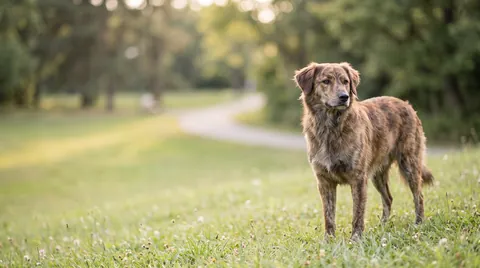 Take a dog photo that shows visible traitsComfortable sessions, useful light, and honest limits.
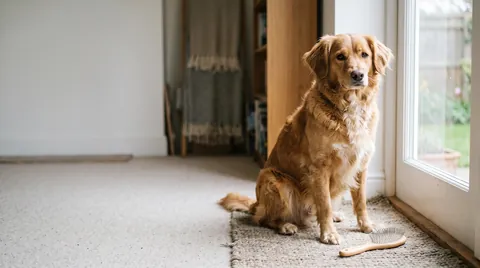 Understand coat texture and routine groomingLength, texture, loose hair, and comfort with brushing.